The Iconic Chevy SSR: A Blend of Retro and Modern Design

Advertisements

The Chevrolet SSR (Super Sport Roadster) is a unique vehicle that holds a special place in automotive history. Produced by General Motors under the Chevrolet marque, the SSR was manufactured between 2003 and 2006. It’s known for its distinctive design, blending elements of a pickup truck, a convertible, and a sports car.

History and Development

The SSR concept debuted at the 2000 Detroit Auto Show, capturing the public’s attention with its retro-inspired design. GM’s goal was to create a vehicle that harkened back to the classic American trucks of the 1940s and 1950s while incorporating modern technology and performance. The positive response to the concept led to the production model, which was first introduced for the 2003 model year.

Design: Retro Meets Modern

The Chevy SSR stands out due to its distinctive styling. The design team drew inspiration from the Chevrolet Advance Design trucks of the late 1940s and early 1950s. The result was a vehicle that combined the classic lines of these vintage trucks with contemporary features.

Exterior

The SSR’s exterior is characterized by its curvaceous, muscular bodywork. It features a prominent front grille, flared wheel arches, and a retractable hardtop that seamlessly transforms the vehicle from a pickup truck to a convertible. The retractable roof was engineered by Karmann, a German company known for its expertise in convertible design.

The retro styling cues include rounded headlights, a V-shaped front bumper, and a sculpted hood. The overall aesthetic is a blend of nostalgia and innovation, making the SSR instantly recognizable on the road.

Interior

Inside, the SSR offers a comfortable and stylish cabin. The interior design echoes the exterior’s retro theme, with a modern twist. Leather seats, chrome accents, and a retro-styled instrument panel create a unique driving environment. The seats are both supportive and comfortable, suitable for long drives or spirited road trips.

The SSR also comes equipped with modern amenities, such as power windows, air conditioning, and an upgraded audio system. The combination of retro styling and contemporary features makes the interior a pleasant place to spend time.

Performance and Mechanics

Underneath its nostalgic exterior, the Chevy SSR boasts impressive performance capabilities. Over its production run, the SSR was offered with two different engines.

Engine Options

  1. 5.3L Vortec V8 (2003-2004):
    • Power: 300 horsepower
    • Torque: 335 lb-ft
    • Transmission: 4-speed automatic
  2. 6.0L LS2 V8 (2005-2006):
    • Power: 390 horsepower
    • Torque: 405 lb-ft
    • Transmission: 6-speed manual or 4-speed automatic

The introduction of the LS2 engine in 2005 significantly improved the SSR’s performance, providing a more exhilarating driving experience. The manual transmission option, in particular, appealed to driving enthusiasts who wanted more control over the vehicle’s power.

Handling and Ride Quality

The SSR’s performance is not just about straight-line speed. It also features a robust suspension system, with independent front suspension and a solid rear axle. This setup provides a balance between comfort and handling, allowing the SSR to perform well on both highways and winding roads.

The vehicle’s wide stance and low center of gravity contribute to its stability and cornering capabilities. While it may not be a sports car in the traditional sense, the SSR offers a unique driving experience that blends the best aspects of a convertible and a pickup truck.

Legacy and Collectibility

Despite its short production run, the Chevy SSR has garnered a dedicated following among car enthusiasts and collectors. Its unique design, limited production numbers, and nostalgic appeal have made it a sought-after vehicle in the used car market.

Limited Production and Rarity

Only 24,150 units of the SSR were produced over its four-year production run. This limited availability has contributed to its desirability among collectors. Additionally, special editions and unique color options further enhance the SSR’s appeal.

Collectibility Factors

Several factors contribute to the SSR’s collectibility:

  • Unique Design: The blend of retro and modern design elements sets the SSR apart from other vehicles.
  • Performance: The LS2-powered models, in particular, offer impressive performance for a vehicle of its type.
  • Limited Production: The relatively low production numbers ensure that the SSR remains a rare and valuable find.
  • Cultural Impact: The SSR’s distinctive look and nostalgic charm make it a memorable part of automotive history.

Market Value and Investment Potential

The market value of the Chevy SSR has remained relatively stable, with well-maintained examples commanding a premium. Collectors often seek out low-mileage, original-condition SSRs, particularly those with the LS2 engine and manual transmission.

Investment Potential

As with any collectible vehicle, the investment potential of the SSR depends on several factors, including condition, mileage, and provenance. While it may not reach the heights of some classic muscle cars, the SSR offers a unique investment opportunity for those who appreciate its distinctive design and limited production.

Conclusion

The Chevrolet SSR is a unique and fascinating vehicle that continues to captivate automotive enthusiasts. Its blend of retro styling, modern performance, and limited production make it a standout in the world of collectible cars. Whether you’re a collector looking for a rare gem or a car enthusiast seeking a unique driving experience, the Chevy SSR offers a compelling package that is sure to leave a lasting impression.

The AC Royal Tourer: A Timeless Classic of British Automotive Excellence

Advertisements

In the illustrious history of British motoring, few cars evoke the same sense of elegance, craftsmanship, and prestige as the AC Royal Tourer. A masterpiece of automotive engineering, the AC Royal Tourer embodies the essence of luxury motoring, combining timeless design with exceptional performance to create an enduring symbol of British automotive excellence.

The story of the AC Royal Tourer begins in the early 1920s when the AC Cars company, founded by John Weller and John Portwine in Thames Ditton, Surrey, England, set out to create a range of high-quality automobiles for the discerning customer. Drawing upon their expertise in engineering and craftsmanship, AC Cars quickly gained a reputation for producing some of the finest vehicles of the era.

Introduced in the mid-1920s, the AC Royal Tourer represented the pinnacle of AC Cars’ achievement in luxury motoring. Built to cater to the needs of affluent customers who demanded nothing but the best, the Royal Tourer was a triumph of design, engineering, and luxury craftsmanship.

At the heart of the AC Royal Tourer was its powerful and refined inline-six engine, which delivered smooth and effortless performance on the open road. Available in various displacements and configurations, the Royal Tourer’s engine was renowned for its reliability, durability, and impressive power output, making it the ideal choice for long-distance touring and leisurely drives through the countryside.

The exterior design of the AC Royal Tourer exuded an air of understated elegance and sophistication. Characterized by its flowing lines, graceful curves, and impeccable proportions, the Royal Tourer cut a striking figure on the road, commanding attention wherever it went. Its sleek and aerodynamic profile was complemented by luxurious touches such as polished chrome accents, hand-crafted detailing, and intricate coachwork, showcasing the meticulous attention to detail that went into its design and construction.

Step inside the cabin of the AC Royal Tourer, and you were greeted by an ambiance of opulence and refinement. The interior was appointed with the finest materials available, including sumptuous leather upholstery, polished wood trim, and gleaming metal accents, creating a luxurious and inviting environment for passengers. Comfort was paramount in the Royal Tourer, with spacious seating, ample legroom, and a host of amenities designed to cater to the needs of its occupants.

But it was on the open road where the AC Royal Tourer truly came into its own. Renowned for its smooth and refined driving experience, the Royal Tourer offered a level of performance and handling that was unmatched by its contemporaries. Whether cruising along the motorway or navigating winding country lanes, the Royal Tourer delivered a sense of confidence and control that inspired drivers to explore the open road with gusto.

The AC Royal Tourer quickly gained a reputation as the vehicle of choice for royalty, dignitaries, and celebrities, who appreciated its combination of luxury, performance, and prestige. From members of the British royal family to Hollywood stars and international dignitaries, the Royal Tourer was a status symbol coveted by those who valued exclusivity and refinement.

Despite its success and acclaim, the production of the AC Royal Tourer was limited, with only a select number of examples ever built. This rarity only served to enhance its allure and desirability, making it a prized collector’s item for automotive enthusiasts and connoisseurs of classic cars.

Today, the AC Royal Tourer remains a cherished symbol of British automotive heritage, revered by enthusiasts around the world for its timeless design, exceptional craftsmanship, and unparalleled luxury. Restored examples of the Royal Tourer command top dollar at auctions and concours events, serving as a tangible reminder of a bygone era when automobiles were not just modes of transportation but works of art.

In conclusion, the AC Royal Tourer stands as a testament to the ingenuity, craftsmanship, and innovation of British automotive engineering. With its timeless design, luxurious appointments, and peerless performance, the Royal Tourer remains an enduring icon of automotive excellence, capturing the imagination of enthusiasts and collectors alike for generations to come.

The Abbott-Detroit 6-44 Four Passenger Roadster: A Classic Symbol of American Automotive Excellence

Advertisements

In the annals of automotive history, certain vehicles stand out not only for their engineering prowess but also for the elegance and style they exude. Among these automotive icons is the Abbott-Detroit 6-44 Four Passenger Roadster, a vehicle that epitomizes the golden age of American automobiles in the early 20th century. With its combination of performance, craftsmanship, and timeless design, the Abbott-Detroit 6-44 holds a special place in the hearts of automotive enthusiasts and collectors alike.

The story of the Abbott-Detroit company begins in 1909 when it was founded by Charles S. Abbott and John W. Hughes in Detroit, Michigan. The company aimed to produce high-quality automobiles that would appeal to discerning customers seeking luxury, performance, and reliability. Drawing upon the rich automotive heritage of Detroit, known as the Motor City, Abbott-Detroit quickly gained a reputation for excellence in craftsmanship and engineering.

In 1916, Abbott-Detroit introduced the 6-44 Four Passenger Roadster, a model that would become one of the most celebrated vehicles in the company’s lineup. The 6-44 Roadster was the epitome of automotive luxury and performance, featuring a sleek and stylish design combined with powerful performance capabilities.

At the heart of the Abbott-Detroit 6-44 Roadster was its robust inline-six engine, which delivered impressive power and torque for its time. With a displacement of 344 cubic inches (hence the “6-44” designation), the engine was capable of propelling the Roadster to exhilarating speeds, making it a formidable competitor on the open road.

The craftsmanship and attention to detail that went into the construction of the Abbott-Detroit 6-44 Roadster were evident in every aspect of the vehicle’s design. From its elegant body lines to its finely appointed interior, every element of the Roadster exuded sophistication and refinement. The Roadster’s sleek and aerodynamic profile was complemented by luxurious amenities such as plush leather upholstery, polished wood trim, and gleaming chrome accents, creating an ambiance of opulence and luxury for its occupants.

One of the defining features of the Abbott-Detroit 6-44 Roadster was its advanced engineering and innovative technology. Despite its vintage charm, the Roadster boasted several cutting-edge features for its time, including a robust chassis design, advanced suspension system, and hydraulic brakes, which provided exceptional handling and braking performance.

The Abbott-Detroit 6-44 Roadster’s performance capabilities were further enhanced by its lightweight construction and streamlined design. The Roadster’s low center of gravity and balanced weight distribution contributed to its nimble handling and agility, allowing drivers to navigate tight corners and winding roads with confidence and precision.

The Abbott-Detroit 6-44 Roadster quickly gained a reputation as a status symbol among the elite of society, favored by celebrities, dignitaries, and captains of industry. Its timeless design and exceptional performance made it the perfect choice for those who demanded nothing but the best in automotive luxury and style.

Despite its success and acclaim, the Abbott-Detroit company faced challenges in the rapidly evolving automotive industry. Economic downturns, changing consumer preferences, and increased competition from other automakers eventually led to the demise of the Abbott-Detroit brand in the early 1920s. However, the legacy of the Abbott-Detroit 6-44 Roadster lives on, revered by automotive enthusiasts and collectors as a classic example of American automotive excellence.

Today, the Abbott-Detroit 6-44 Roadster is a prized collector’s item, sought after by enthusiasts who appreciate its timeless design, exceptional craftsmanship, and historical significance. Restored examples of the Roadster command top dollar at auctions and concours events, serving as a tangible reminder of a bygone era when automobiles were not just modes of transportation but works of art.

In conclusion, the Abbott-Detroit 6-44 Four Passenger Roadster stands as a testament to the ingenuity, craftsmanship, and innovation of America’s automotive pioneers. With its elegant design, powerful performance, and timeless appeal, the Abbott-Detroit 6-44 Roadster remains an enduring symbol of luxury, style, and sophistication, capturing the imagination of automotive enthusiasts around the world for generations to come.

The Abarth OT 1300: Racing Heritage and Performance Legacy

Advertisements

The Abarth OT 1300 is a legendary name in the realm of motorsport, renowned for its racing pedigree and uncompromising performance. Born out of Carlo Abarth’s passion for speed and engineering prowess, the OT 1300 left an indelible mark on the racing circuits of the 1960s, etching its name in automotive history as an icon of Italian motorsport excellence.

The story of the Abarth OT 1300 begins with the founding of Abarth & C. by Carlo Abarth in 1949. Carlo Abarth, an Austrian-Italian engineer and racer, had a vision to create high-performance vehicles capable of dominating the racetrack. Abarth’s early ventures focused on modifying and tuning production cars, enhancing their performance for racing purposes. However, it wasn’t until the 1960s that Abarth truly came into its own with the development of the OT 1300.

In 1965, Abarth introduced the OT 1300, a lightweight, nimble, and potent racing car designed to compete in the 1.3-liter class of sports car racing. The “OT” in its name stood for “Omologato Turismo,” indicating its homologation for racing in the Group 4 category, while “1300” denoted its engine displacement. Powered by a 1.3-liter inline-four engine, the OT 1300 was a marvel of engineering, producing impressive power and torque figures for its size.

The heart of the Abarth OT 1300 was its potent engine, meticulously crafted and tuned to deliver exceptional performance on the track. With features such as dual overhead camshafts, twin Weber carburetors, and high-compression pistons, the OT 1300 engine was a masterpiece of automotive engineering, capable of revving to exhilarating speeds and delivering thrilling acceleration.

The lightweight construction of the Abarth OT 1300 further contributed to its impressive performance characteristics. Featuring a tubular steel chassis and aluminum bodywork, the OT 1300 was incredibly light and agile, allowing it to corner with precision and maneuver through tight corners with ease. Its aerodynamic design minimized drag and maximized downforce, enhancing stability at high speeds and giving drivers the confidence to push the limits on the racetrack.

One of the defining attributes of the Abarth OT 1300 was its success on the racing circuit. From the outset, the OT 1300 proved to be a formidable competitor, dominating its class in various motorsport events across Europe. Whether it was hill climbs, endurance races, or circuit racing, the OT 1300 showcased its performance prowess time and time again, often emerging victorious against larger and more powerful competitors.

One of the most notable achievements of the Abarth OT 1300 came in the form of multiple victories at the prestigious Targa Florio. The Targa Florio, a grueling endurance race held on the winding roads of Sicily, was the ultimate test of a car’s reliability, performance, and driver skill. Despite the challenging terrain and intense competition, the OT 1300 excelled, clinching victory in its class and earning the admiration of motorsport enthusiasts around the world.

The success of the Abarth OT 1300 extended beyond the racetrack, influencing the development of future Abarth models and shaping the brand’s identity as a symbol of performance and racing heritage. The OT 1300’s innovative engineering solutions and racing pedigree paved the way for future Abarth vehicles, inspiring generations of enthusiasts and cementing Abarth’s reputation as a manufacturer of high-performance automobiles.

Over the years, the Abarth OT 1300 has attained legendary status among collectors and enthusiasts alike, with pristine examples commanding high prices at auctions and vintage racing events. Its timeless design, exhilarating performance, and storied racing history continue to captivate the imagination of automotive enthusiasts, ensuring its place in the pantheon of motorsport greats for generations to come.

In conclusion, the Abarth OT 1300 stands as a testament to Carlo Abarth’s vision and engineering prowess, embodying the spirit of innovation, performance, and racing excellence. From its inception in the 1960s to its enduring legacy today, the OT 1300 remains an icon of Italian motorsport heritage, inspiring admiration and awe among enthusiasts around the world.

The Ford Focus ST: A Legacy of Performance and Innovation

The Ford Focus ST: A Legacy of Performance and Innovation

Since its inception, the Ford Focus ST has stood as a testament to automotive excellence, blending exhilarating performance with everyday practicality. As a member of the esteemed Ford Focus lineup, the ST variant has carved its niche in the hot hatch segment, captivating enthusiasts with its spirited driving dynamics and versatile design. To truly appreciate the evolution of the Ford Focus ST, one must delve into its rich history, tracing its origins, milestones, and enduring legacy.

The roots of the Ford Focus ST can be traced back to the early 2000s when Ford recognized the growing demand for performance-oriented compact cars. In 2002, the first-generation Focus ST170 emerged as the inaugural member of the ST family, setting the stage for future iterations. Equipped with a lively 2.0-liter inline-four engine producing 170 horsepower, the ST170 offered a tantalizing blend of power and agility, captivating drivers seeking an engaging driving experience.

Building upon the success of its predecessor, the second-generation Focus ST made its debut in 2005, signaling Ford’s commitment to pushing the boundaries of performance further. The Mk2 Focus ST boasted a turbocharged 2.5-liter five-cylinder engine, generating an impressive 225 horsepower and 236 lb-ft of torque. With its distinctive styling cues and spirited demeanor, the Mk2 ST cemented its status as a formidable contender in the hot hatch segment, earning accolades from enthusiasts and critics alike.

As automotive technology continued to advance, Ford unveiled the third generation of the Focus ST in 2012, showcasing a blend of refinement and performance. Under the hood lay a turbocharged 2.0-liter EcoBoost engine, delivering 252 horsepower and 270 lb-ft of torque. Enhanced chassis dynamics and a host of technological innovations further elevated the driving experience, solidifying the Mk3 Focus ST’s position as a top-tier hot hatch.

However, it was the fourth generation of the Ford Focus ST that truly captivated enthusiasts worldwide, raising the bar for performance and innovation. Introduced in 2019, the Mk4 Focus ST represented the culmination of decades of engineering prowess and automotive expertise. Powering the hot hatch was a refined version of the 2.3-liter EcoBoost engine, borrowed from the iconic Ford Mustang, producing a thrilling 280 horsepower and 310 lb-ft of torque. With its advanced chassis dynamics, selectable drive modes, and cutting-edge infotainment system, the Mk4 Focus ST offered an unrivaled blend of performance, comfort, and technology.

Beyond its impressive performance credentials, the Ford Focus ST also garnered acclaim for its practicality and affordability, making it accessible to a wide range of enthusiasts. With its versatile hatchback design, spacious interior, and competitive pricing, the Focus ST appealed to drivers seeking a balance between excitement and functionality. Whether tackling winding mountain roads or navigating city streets, the Focus ST proved to be a capable companion, effortlessly blending performance with everyday usability.

Throughout its storied history, the Ford Focus ST has remained a symbol of automotive excellence, continually evolving to meet the demands of enthusiasts worldwide. From its humble beginnings as a compact hot hatch to its evolution into a technologically advanced powerhouse, the Focus ST has left an indelible mark on the automotive landscape. As automotive enthusiasts eagerly await the next chapter in its illustrious journey, one thing remains certain: the Ford Focus ST will continue to inspire and excite for generations to come.

Duratec 30: The Prime V6 Engine

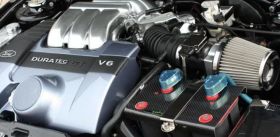
Do you think you own a boring car? I though so too, until I dug in a little bit deeper and tried to learn more about my car. I drive a 2004 Mazda 6, which happens to feature a 3.0 Liter V6 manufactured by Ford, called the Duratec 30. Wait… my Mazda has an engine made by Ford? That’s right, my Mazda’s 220 horses come from straight out of Detroit. After learning this fact I decided to try and learn more about my engine and the potential it has for making more power. What I learned surprised me and showed that learning more about your car can show you some surprising things.

My car isn’t fast,as much as I would like to think it is. However, by researching my engine I discovered that my engine has untapped potential. My car is a Mazda, but it has a Ford engine, the same engine featured in cars like the Fusion and the Mercury Milan. But more importantly it is the same engine in the Noble M400.

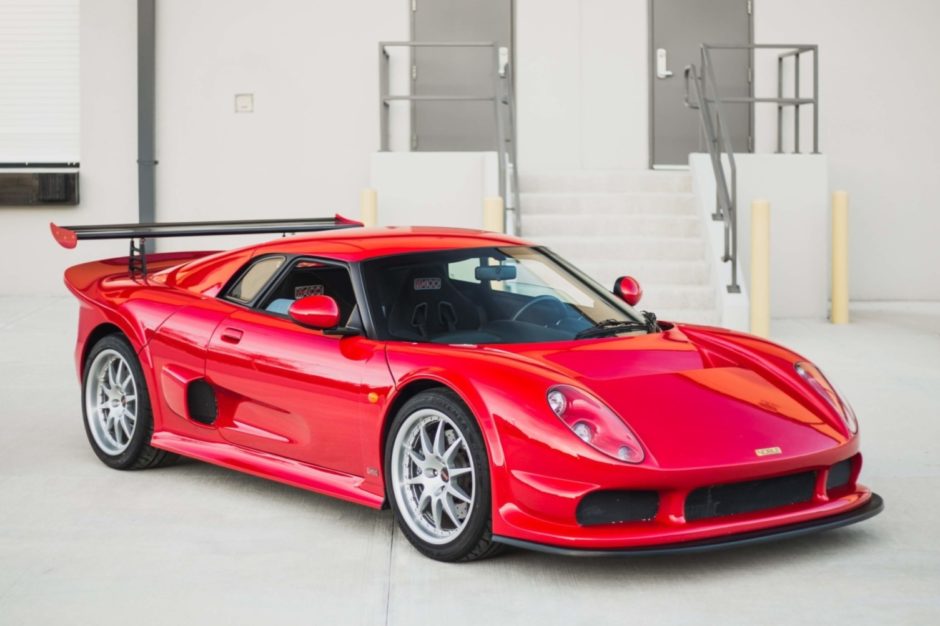
Noble M400

Red 2006 Noble M400 (bringatrailer.com)

That’s right folks! This super car features the same 3.0 liter V6 that my old Mazda does. The only difference? A twin turbo charger and a bit of rebuilding. My stock V6 makes 220 horsepower, but this tuned beauty produces an outstanding 425 turbo charged horses. Potential? You bet, and this car shows that any engine can be turned into an absolute monster, even if your car is old or mundane. I thought the same too until my research proved that any engine, including mine, can become something special with enough hard work.

So finding this out was pretty cool, but this wasn’t the only thing I found out about the potential of my car.

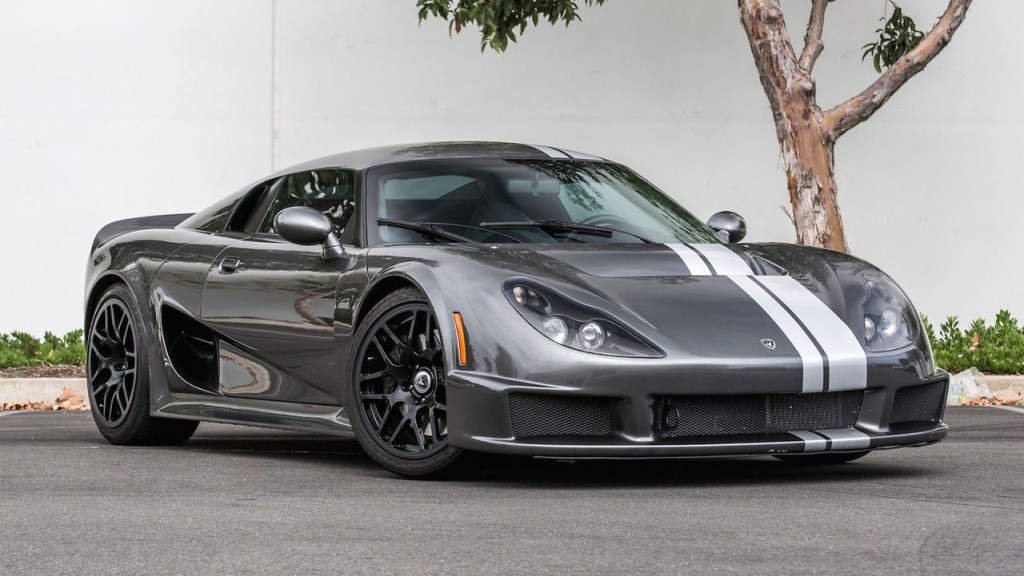
Rossion Q1

Grey Rossion Q1 (motor1.com)

Wait… so my engine is featured in more than one modern supercar? That’s right. Meet the Rossion Q1. Probably a car that you’ve never heard of, but you should know. The Rossion Q1 is a supercar that featured a Duratec 30 engine that is rebuilt and twin turbo charged. Unlike the Noble, the Rossion breaks the 500 horsepower level, as it produces an incredible 508 horsepower from the 3.0 liter V6.

Nissan: Beginning to 1970

Advertisements

Nissan is the 6th largest vehicle producer by volume in the entire world. They are responsible for some of the most legendary cars of all time. Without Nissan there would be no GTR, no Skyline, and no Fairlady Z. We would miss out out the highest volume electric car ever to be made. Heck, The Fast and The Furious would never really be the same. And so to honor the culture and heritage Nissan brought around the world, we are going to go in depth on the history of Nissan. From Datsun to Prince, 180SX to 400Z, we are covering it all. Here is everything you need to know about Nissan.

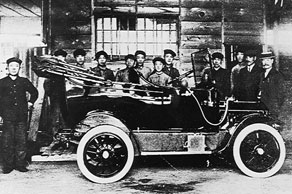
Image of the Nissan Dat Datsun Dat
The Original DAT (Nissan Global)
Advertisements

Nissan traces its origins as far back as 1911 when on July 1, Masujiro Hashimoto founded the Kaishinsha Motor Car Works. 3 years later the companies first product, the DAT, was created. It was a small 4 wheeled vehicle that really didn’t change the game much. After the DAT in 1914, the company went through several name changes. During this time they also started to make trucks and Datsun passenger cars. Then World War I began, and commercial production halted at Datsun, as they rushed to make military vehicles rather than passenger cars. In 1923 they merged with another Japanese automaker and began making cars under the name “lila” for about 2 years. Then in 1931, they created the Datsun 11.

Image of Datsun 11
Photo of the Datsun 11 (By HKT3012 – Own work, CC BY-SA 4.0, https://commons.wikimedia.org/w/index.php?curid=43539628)
Advertisements

The Datsun 11 is where we see the first bits of Nissan appear in the story. The Datsun 11 featured a 495 cc engine making a ferocious 10 horsepower to the wheels. The only transmission available was a 3 speed transmission that sent power to the rear wheels. The Datsun 11 was DAT’s attempt at appealing to a lower market, since the car had displacement under 500 cc it didn’t require a driver license and required less taxes. Only 150 were ever produced, most of which have been lost to history. But let it be known that this is the start of what we know today as Nissan.

In 1934 Nissan Motors was formed officially. They started to build Austin 7’s under license which ended up being very successful for both companies involved. Later in 1952, Nissan entered contract with Austin to produce 2000 Austin’s under the Austin badge. In this time Nissan used its experience with the Austin manufacturing process. Nissan continued their partnership with Austin until 1959 when they start to develop the A Series Engine and L Series Engine, the latter of which was put in the Datsun 240Z. The 240Z is what propelled Nissan to the world stage. It was their first sports car and garnered global attention. The next major step for Nissan was their merger with Prince Motors in 1966.

Prince Motor Company was formed in 1952 and was the precursor to many popular Nissan Models in the 90’s and early 2000’s. They were in the market to try and compete with Nissan and Toyota’s grip on the econobox market, but obviously plans changed as they merged with Nissan, and codeveloped the Nissan Cherry. Other Prince creations are the Gloria, R380, and the Skyline which we will get to later…

In the 1964 Olympics, Nissan used some women to promote their new line of sport cars. Both the women and the cars would go on to be called “fairladies”.

The Fairlady Nissan/Datsun sports cars are perhaps some of the most famous Japanese sports cars ever. What started with the Datsun 240z plummeted into a plethora of fantastic sports cars on great chassis’ and ever greater engines. What was the Datsun 240sx morphed into the Nissan 240sx in 1988. From there, it only got better. The first generation 240sx got the name “S13” from Nissan enthusiasts. This is because the 240sx utilizes the now-infamous S platform. The S platform was a 2 door, rear wheel drive coupe that was more or less built to drift. Cars with the S platform typically had naturally aspirated 4 cylinder engines. The S13 in America featured pop-up headlights (versus fixed ones in the Silvia), and was available in coupe, hatchback, or convertible form. Then in 1994 we got the S14, which eliminated the hatchback and convertible forms of the 240sx. The S14 got a little bit heavier and longer, increasing its dirftability. We should also take a moment to talk about the Silvia, the Japanese version of the 240sx. The Silvia’s got SR20DET engines, meaning main they got turbochargers. The addition of the turbo makes the Silvia a highly coveted drift car, due to its extra tune-ability.

Advertisements

After the Fairladies came the 90’s Japanese sports car scene.

This is the first part in a 3 part series on Nissan

Best Fun First Cars

The first car is a huge milestone in ones life. Unfortunately most Americans are stuck with small, broken, and weak econo-boxes. But not us. Today we will change you mind about the textbook first car as we show you a list of 10 first cars that are actually fun, cool looking, and inexpensive. Some guidelines first. All cars will cost less than $5,000, have (on average) less that 150,000 miles, and have at least 200 horsepower. So without further adieu, here is our list of high school head turners.

Dodge Neon SRT-4

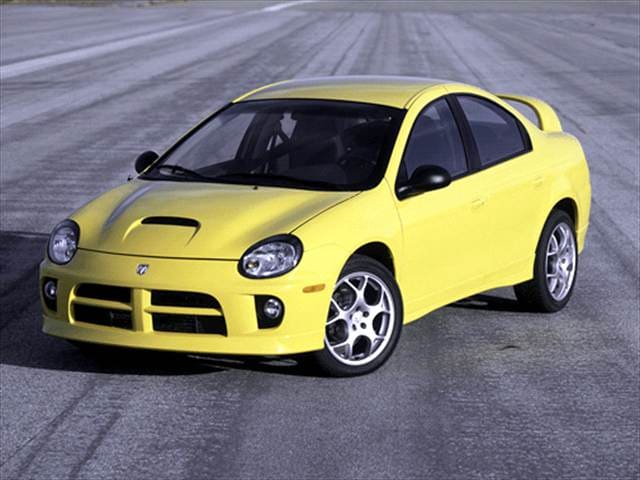
We’re starting off the list with a 2000’s Dodge? Oh, well this isn’t any 2000’s Dodge Sedan. This is the Neon SRT-4. SRT standing for Street and Racing Technology, this was the first car to bear the SRT emblem. The Neon SRT-4 comes with a turbo charged 4 cylinder engine paired with a 5-Speed manual transmission. It sends all 230 turbocharged horsepower to the front wheels, and hits 0-60 in under 6 seconds. It the visual department, the SRT-4 isn’t lacking whatsoever. It’s pretty low to the ground and comes standard with an aggressive hood scoop and a cool rear spoiler. As far as price goes, here is an example for $4999 in Florida.

Ford Mustang (1999-2005)

Image from Motor Trend

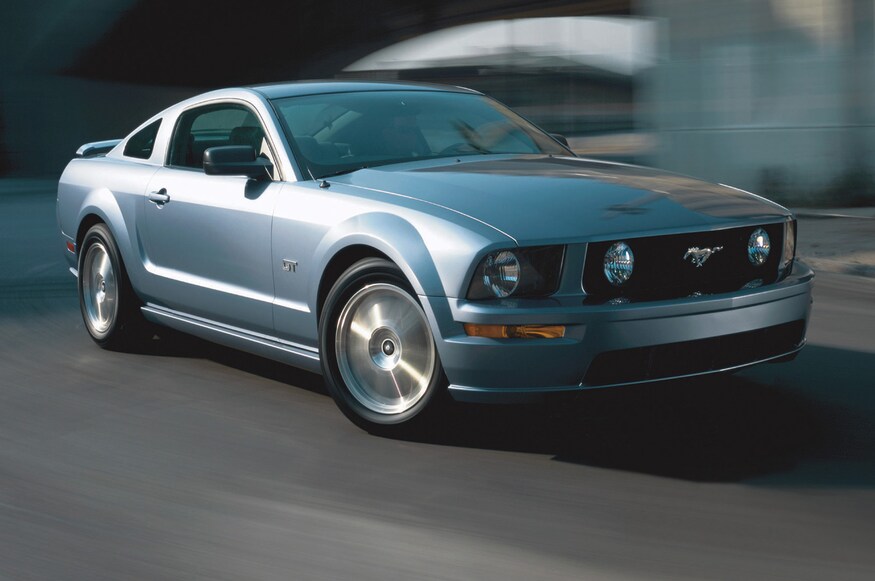
Well you had to know this car had to be on the list. Ford’s flagship coupe has been around for forever, and consistently proves to be a great car for performance. The Mustang has 210 horsepower (with the V6) a and 240 lb-ft of torque. What makes this car special is that it sends power to the rear wheels, making it great for drifting and drag racing. As far as looks go, the mustang is timeless. It has looked good through generations of car enthusiasts tinkering and tampering with it. It is the staple of American muscle, and turns heads wherever it goes. Here is an example of one from 2005 than has under 150,000 miles and is a newer trim.

Subaru WRX (2002)

Image from ebay

If you don’t like the two previous American options, try hopping across the Pacific and picking up a 2002 Subaru WRX. This is a great first car period. Its super reliable, gets great fuel economy, and has all wheel drive. But it’s also a pretty sporty car with 227 horsepower and 217 lb-ft or torque coming out of a turbocharged 2.0 liter flat 4 engine. Its all wheel drive drive-train allows for better launch and acceleration, making it a preferred choice for tuners and drag enthusiasts around the world. As far as the looks go, you’ll turn more heads with your exhaust note than your exterior as the only sign of any sportiness comes with the standard scoop at the top of the hood. Here is an example of a WRX for less than $5,000.

Lexus SC300

Image from Autotrader

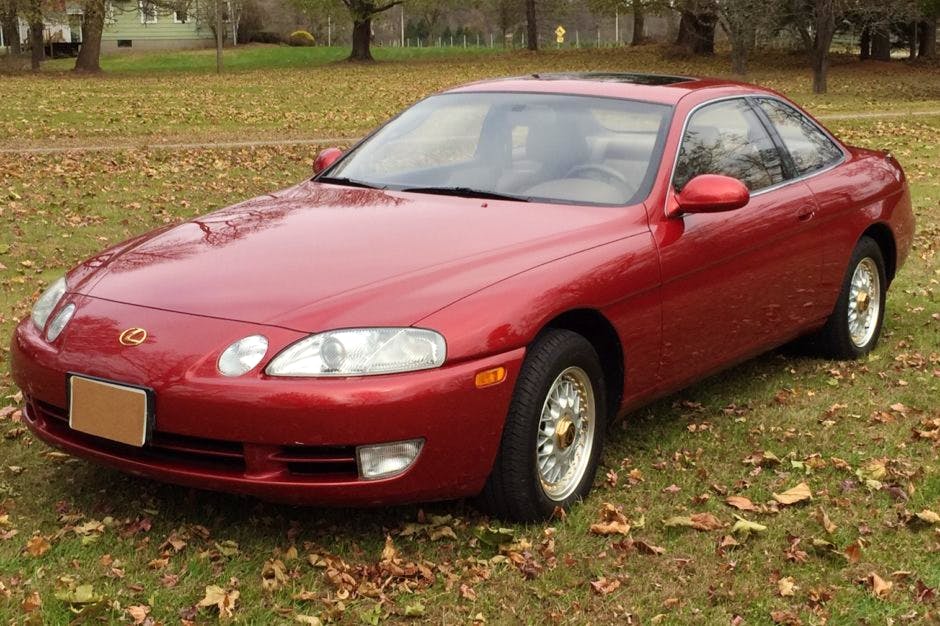
Now this is not a common sports car you would think of when it comes to a cheap head turner. But let me convince you that this may just be the best deal on this list. First off the engine. 2JZ. Yup. The incredibly strong, 1000+ horsepower producing engine lives in this Lexus. For those of you who don’t know 2JZ, simply watch the first fast and furious film. In addition to the legendary 3 liter inline 6 engine, the SC300 comes with rear wheel drive (drifting) and is only available in the coupe form. The SC300 makes 227 horsepower from the naturally aspirated engine. But as great as the engine is, we reach a problem when it comes to the looks. The SC300 looks sub-par, but this car costs far less than the $5,000 limit and if you want to turn heads I would suggest investing in a body kit, which can easily take this car from a 3 to a 10. Here’s a sub $5,000 example in Texas.

Audi TT (2002)

Image from Newport Auto Source

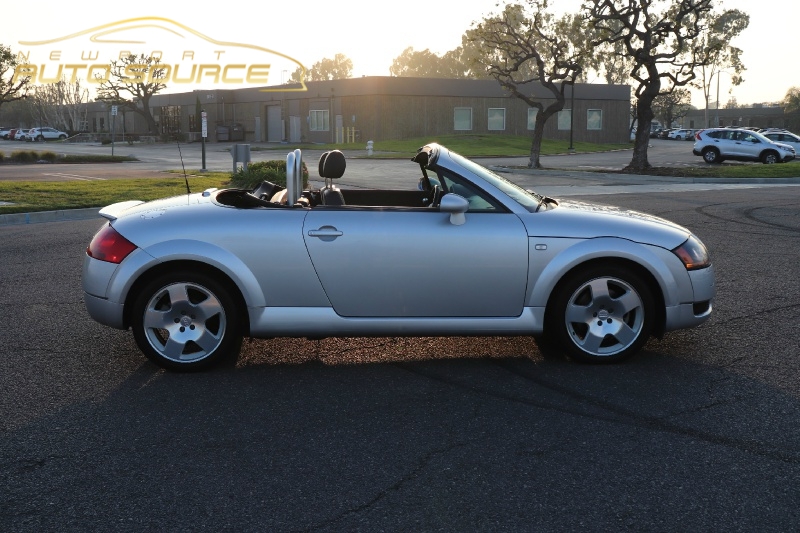
Perhaps you aren’t big into hard top cars, so how about a convertible from Audi? The TT has been in production since the early 90’s and has never failed to impress. The TT makes 222 horsepower from a turbocharged 1.8 liter 4 cylinder engine. It has optional All Wheel Drive and an option convertible, which I would recommend having. As far as looks go, they are just okay, but a convertible will do most of the head turning for you. Here is an all wheel drive example for under $5,000.

Infiniti M45 (2003)

Image from The Truth About Cars

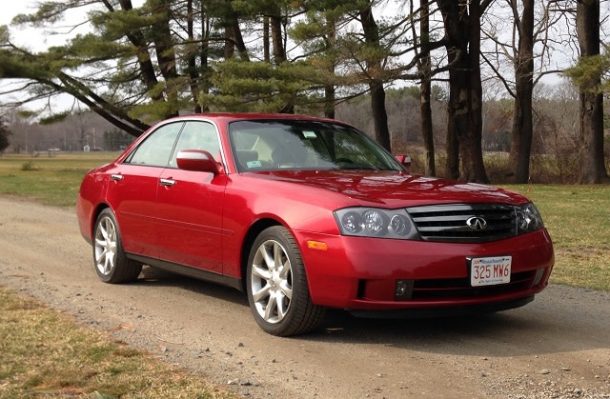
This car is more for the ones who crave more power. As you can see this car has no physical pluses period. It’s an awkwardly lumpy sedan that’s a bit too long and a bit too skinny. So why does this car make the list? Well for one it is a luxury car, so the interior and amenities are pretty good. But mostly it’s the Japanese 4.5 liter V8 that puts out an insane 340 horsepower. Those 340 horses are sent (of course) to the rear wheels, giving this car the best layout possible to turn it into a seriously fun car. With the 340 horses comes a hefty 333 lb-ft of torque. So if you want probably the best sleeper unknown to man, this non-threatening Japanese sedan is sure to surprise the competition. Here is an example for under $5,000.

Infiniti G35 (2006)

Image from educatia

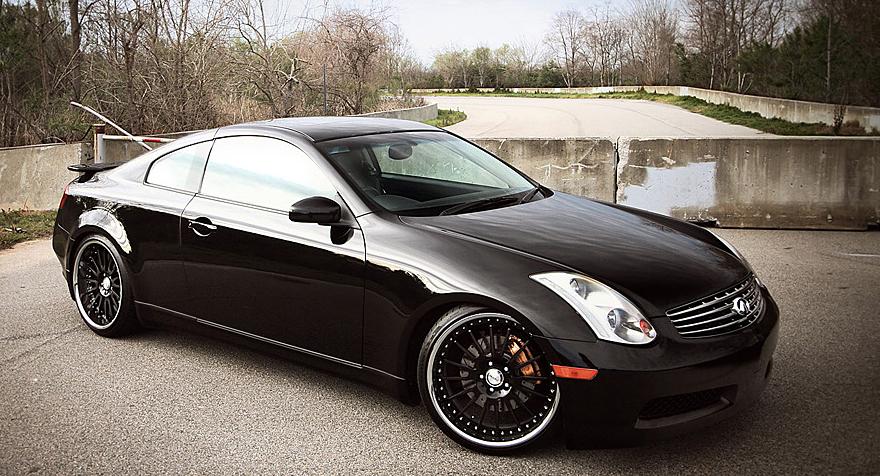
Our second vehicle from Infiniti is much prettier. The G35 is a perfect balance of both looks and performance. Only, make sure that your purchase the coupe model, and not the sedan. The sedan features the same form of ugly awkwardness that the M45 sees, but as you can see the coupe looks flawless. The G35 features a 3.5 liter V6 from Nissan that puts out 298 horsepower and 270 lb-ft of torque. The naturally aspirated horses are sent to the rear wheels and the car features variable valve timing. In the looks department this thing is a gem, with a very sleek design that is stunning from every angle. Examples of these are very easy to find, as this one is far under the $5,000 limit with not too many miles.

Mazda RX-8 (2004)

Image from insidemazda

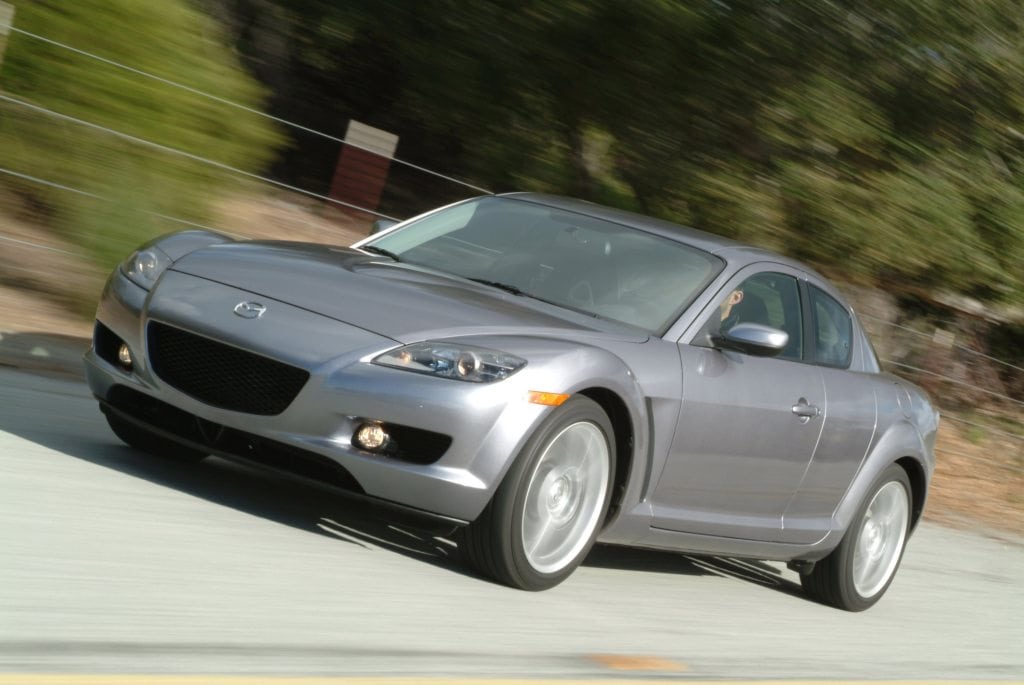
Welcome to rotary! This car is for those who aren’t afraid to get into the engine bay and fix some stuff. This is the RX-8 and it isn’t too reliable, but when running is an absolute machine. The Wankel engine produces 232 horsepower and 159 lb-ft of torque. All power goes to the rear wheels. The looks department is just okay, as the car looks fine but the hidden 2nd row of doors makes the car unusually long. If you want high risk high reward, this is the car for you. Here’s an example for under $5,000.

BMW 750iL (1998)

Image from Historics.co

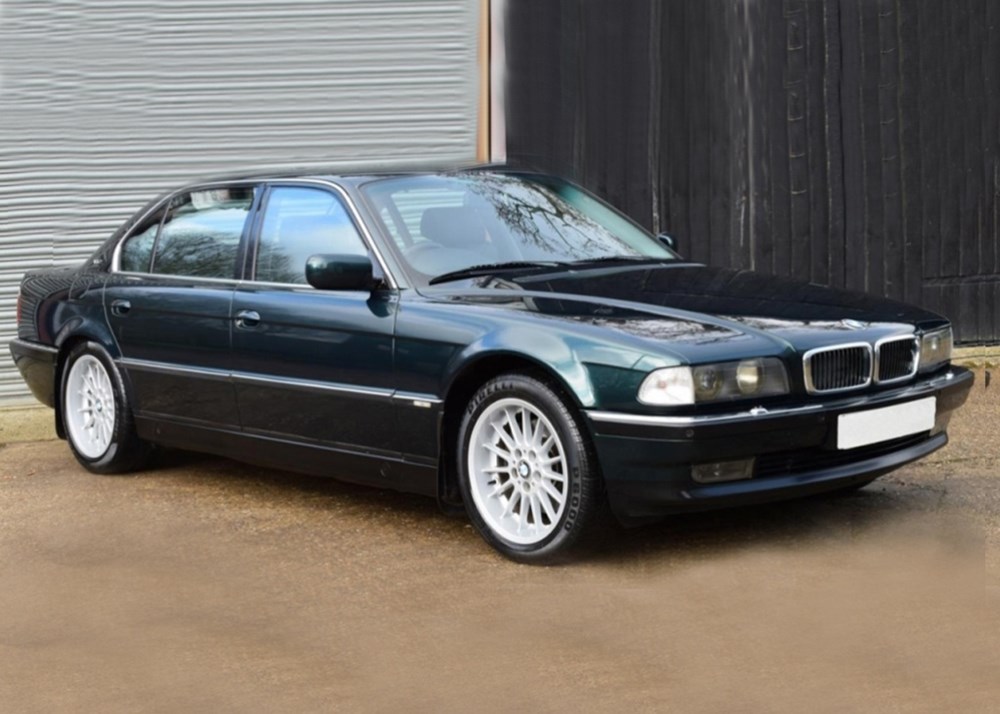
Again with reliability aside, this BMW is a gem. It has a very cool retro-BMW look that all true motor heads will appreciate. But like the M45, what makes this car special is what lies in the engine bay. How does a 12 cylinder engine sound? That’s right, this BMW features a 5.4 liter V12 that makes 322 horsepower and 361 lb-ft of torque. And where does it send all its power? If you guessed the rear wheels, your correct. If you’re willing to sacrifice a bit of reliability and a bit of fuel economy (17 mpg) in exchange for loads of power, this is your car. Here is an example of the V12 version for sale in Indiana.

Bonus: Porsche Boxter (2002)

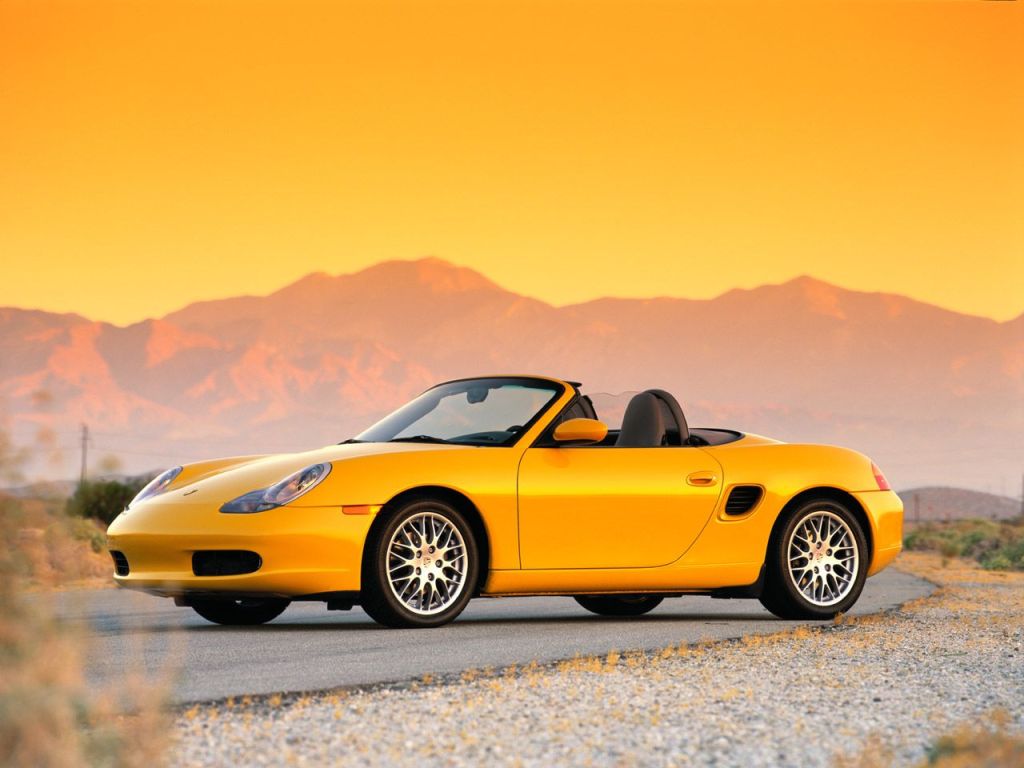
Note that this is a bonus. If you have more than $5,000 to spend, then this car should definitely be on your list. It is easily the most exotic looking on this list, not to mention the obvious: it’s a Porsche. It features a Porsche 3.2 liter flat 6 that puts out 250 horsepower and 225 lb-ft of torque to the rear wheels. As far as visuals go, it is as good as you can get. This Porsche coupe will turn heads wherever you go, and fits in to every scene imaginable. Here is a $6,000 example in California.

History of the Acura NSX (and its future)

Honda is one of the oldest names in the Japanese Automating Industry. It has put out legendary cars (Integra Type R, S2000, Civic Type R) and created legendary spinoffs (Acura, Honda Racing Corporation) . It also created VTEC, which is like… super cool. But today we aren’t going to focus on Honda as a whole, but rather its luxury brand, Acura. Today, Acura could be seen as a brand of its own, as it competes directly with large automakers like BMW and Lexus. But, today isn’t even about the remarkable accomplishments of Acura, but the beginning of Acura. But rather the beginning of a new sports car era. The beginning of Japanese Sports Car Dominance. The beginning of American fascination with JDM vehicles. This is the Acura NSX.

The story of the Acura NSX doesn’t even start with Acura, but rather its parent company Honda. In 1984 Honda was testing out some new car concepts when they came across one that particularly inspired them. The Honda engineers took a Honda City and cut it in half, and shoved an engine behind the driver sending power to the rear wheels. Honda had just created a Mid-Engine, Rear Wheel Drive test mule. Although this idea didn’t ever reach development, it served as a large inspiration for the NSX. Later in 1984, Honda and Pininfarina created the HP-X concept. The HP-X featured a 2.0 Liter mid engine layout, and looked pretty insane. This HP-X spiraled into a project called “NSX”, and rumors began to spread of something important happening at Honda. The NSX made its historic debut at the 1989 Chicago Auto Show, where everyone immediately fell in love with Honda’s latest creation. The First Generation NSX featured a 3.0 Liter naturally aspirated V6 with VTEC, Honda’s technological infant. It was certainly a success in the auto industry as it was faster, cheaper, and more reliably that its Ferrari counter part.

HD Image of the Old and New Acura Honda NSX
http://www.thedrive.com

The NA2 Version of the NSX debuted in 1997 which altered the car slightly. A larger 3.2 Liter V6 replaced the old 3.0 Liter which raised its horsepower figures from 270 to 290 respectively. It increased torque figures from 210 LB/FT to 225 LB/FT respectively. The NA2 model also got to see a new facelift and an optional Targa Top.

The Honda NSX was discontinued in 2005, and to be honest nobody is truly sure why. Maybe its time as number 1 was up, and maybe the market was looking for something different. But nevertheless, this wouldn’t be the end of the NSX…

But a quick discussion. I though this was the Acura NSX. Why are we calling it the Honda NSX? Simple, because of America. Anywhere the NSX was sold in North America, Honda had it referred to as the Acura NSX, in an attempt to kick start their new luxury brand. Anywhere outside of North America, it kept its Honda emblem.

As we all know, the NSX would return to make one heck of a rebound. In 2007, rumors started emerging that Honda was going to try to revive the legendary NSX name. in 2012, the all new Acura NSX was born and showed off at the North American Auto Show. This time, things were different. The new NSX would be a hybrid. It would feature all wheel drive, a twin-turbocharged 3.5 Liter V6, three electric motors, and a 9-Speed automatic transmission. It would likely be easier to list the things that aren’t in this car. All this combined allows the Acura NSX to put out 573 horsepower and 476 LB-FT of torque and reach a top speed of 191 miles per hour. To put it lightly, the folks at Honda went over-the-top for this car. The new NSX is featured in Honda’s various racing departments, and doesn’t have any plans for any modifications or discontinuation.